
October 20, 2026

How Long Does Settlement Take in NSW?


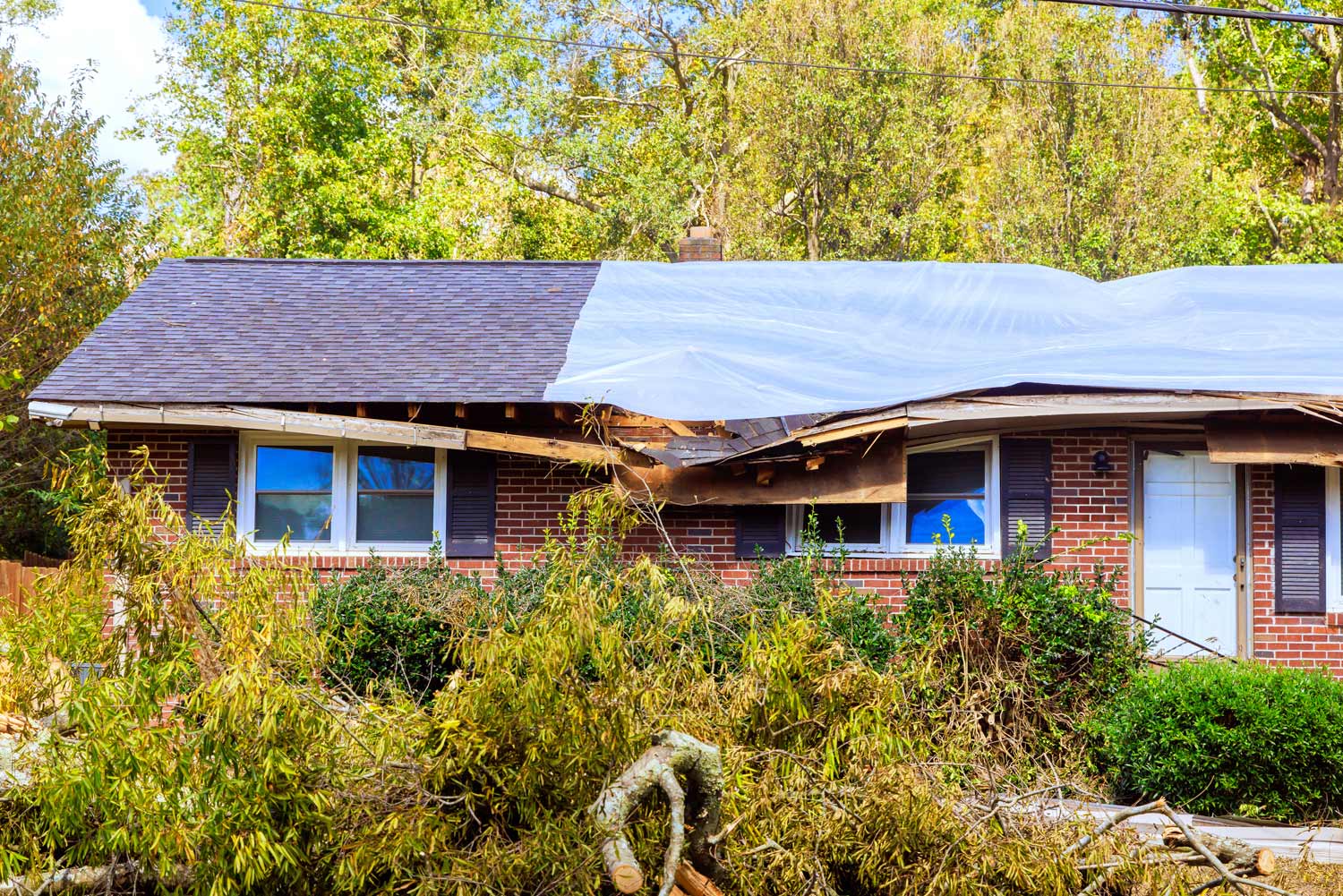
What Happens if the NSW Property Is Damaged Before Settlement?
What happens if a property is damaged before settlement? In New South Wales, if a property is damaged after contracts are exchanged but before settlement, the risk generally remains with the seller until settlement or the buyer takes possession. A storm takes the roof off, a tenant puts a hole through a wall, someone breaks in and strips the copper, and the buyer is not automatically stuck with it. The law gives buyers two remedies, and which one applies comes down to how bad the damage is.
If you are dealing with this right now, with settlement days away and an inspection report full of photographs, do not sit on it. The clock on the stronger remedy starts the moment you become aware of the damage, not when you work out what the repairs will cost. Speak with our NSW conveyancing experts before you decide anything.
Who Carries the Risk Between Exchange and Settlement in NSW?
Who is responsible for damage before settlement NSW? Section 66K of the Conveyancing Act 1919 (NSW) holds the risk with the vendor until completion, or until the purchaser takes possession, whichever comes first. Until one of those happens, the property remains the seller's to insure and protect.
That second limb catches people out. Early possession arrangements feel generous on both sides, and they are common enough, but they quietly shift the risk of a burst pipe or a house fire onto the buyer weeks before the buyer legally owns anything.
The interstate assumption is worth clearing up, too. In Queensland, risk passes to the buyer at or shortly after exchange under the standard contract. First home buyers who have read a Queensland guide, and buyers relocating from Brisbane, often turn up to their NSW inspection convinced the damage is theirs to wear, but it’s not. By contrast, in NSW the risk remains with the vendor until completion or until the purchaser takes possession, and that protection applies by statute rather than by goodwill.
In many cases, the cause of the damage does not change the default position. Storm, flood, bushfire, hail, vandalism, theft, tenant damage, or an accident during the seller's own move-out are all treated the same way under section 66K.
What Counts as Substantial Damage?
This is where the two remedies split. Substantial damage before settlement unlocks the right to walk away from the contract entirely, while anything short of it leaves you with a price reduction instead.
The bar sits higher than most buyers expect. In Bakhos v Fenner & Anor [2007] NSWSC 641, a fire before completion left a Sydney house with smoke damage, burnt carpet, shattered windows and sagging ceilings, and the buyer served a rescission notice. The court found no substantial damage. The vendors had repaired everything within weeks and well before the completion date, an engineer confirmed the structure was sound, and the house was a minor part of what the buyer was paying $1.4 million for, given the redevelopment plans he had already lodged with council.
The case shows that substantial damage is not determined simply by the repair cost or a percentage of the purchase price. The condition of the property at completion and the nature of what the purchaser agreed to buy can also be relevant. Scuffed walls, a cracked window or a section of fence down after a windy night will not get you there, however annoying they are to inherit.
When a Buyer Can Rescind Under Section 66L
Where the damage is substantial, section 66L of the Conveyancing Act 1919 gives the purchaser a statutory right to rescind the contract. The notice must be in writing, served on the vendor before completion, and served within 28 days of the purchaser first becoming aware of the damage, unless the vendor agrees to a longer period.
Because the right comes from the legislation rather than the contract, it applies regardless of what the contract says about damage. When rescission is valid, the outcome is clean: all money paid under the contract is refunded, deposit included, and both parties are released from further liability.
Two points rarely get spelled out, and both matter more than the rest of it:
- The 28 days runs from awareness of the damage, not from the moment you understand its full extent. Waiting on a builder's report, an insurance assessment or a structural engineer pauses nothing, and buyers lose the right while they are being careful.
- There’s the risk of getting the test wrong. A rescission notice served over damage that turns out not to be substantial is not a harmless attempt. It can be treated as repudiation of the contract, which is exactly what happened in Bakhos, the vendors treated the purchaser's conduct as repudiation, terminated the contract and retained the deposit.
Before you serve anything, or if a notice has just landed from the other side, speak with our NSW conveyancing experts and have the position assessed properly.
Getting Money Off Instead: Price Reduction Under Section 66M
Section 66M is the remedy most buyers have never heard of, and the one that resolves the majority of real matters. Where land is damaged before risk passes, the purchase price is reduced on completion by an amount that is just and equitable in the circumstances. It applies to any damage, substantial or not, which puts it underneath section 66L as the everyday answer.
The principle is simple enough to state and much harder to apply before settlement because repair costs usually cannot be quantified in the days available. Quotes take a week, insurers take longer, and the settlement date does not move to accommodate either.
Depending on the circumstances, the parties may agree to proceed with settlement while retaining an agreed amount from the sale proceeds, held by one of the conveyancers or solicitors, pending proper assessment of the repair cost. Settlement goes ahead, the buyer takes the property, and the argument about the figure happens afterwards with money already set aside to cover it.
If the price is not reduced on completion when it should have been, the shortfall can be recovered from the vendor as a debt, so proceeding to settlement does not leave the buyer without a route.
What NSW Sellers Should Do to Protect Themselves
When selling property in NSW, the single biggest mistake you could make is cancelling building insurance at exchange. It feels logical, since the property is sold, but under section 66K, the buyer is not on the hook for it, and a seller without cover between exchange and completion is personally exposed to the full cost of repair, a price reduction, or a lost sale.
Consider keeping appropriate insurance in place until risk passes and confirm your coverage directly with your insurer. If the property is vacant, secure it properly because vacancy is when break-ins, squatters and undetected water damage tend to happen, and many policies limit cover on unoccupied homes.
If substantial damage does occur, tell the purchaser promptly and in writing. Sellers sometimes delay in the hope the buyer will not notice before the final inspection, and delay works against them.
Notification starts the 28-day rescission window, and starting it is the only way to eventually close it. Say nothing and the window has not opened at all, which can leave the buyer with a right to rescind long after you assumed the matter was behind you.
What NSW Buyers Should Do if They Find Damage
When buying property in NSW, use the pre-settlement inspection to check that the property remains in substantially the same condition as when contracts were exchanged and that agreed inclusions remain at the property. If something has changed, take these steps in order:
- Photograph and video everything, keeping the original files with their date data intact rather than screenshots or compressed copies from a messaging app.
- Tell your conveyancer the same day because the 28-day window under section 66L runs from when you became aware.
- Ask the agent, in writing, when the damage occurred and what the seller has done about it, including whether an insurance claim has been lodged.
Early action does more than protect a deadline. It leaves room to negotiate a retention or a price reduction for damage before settlement while both parties still want the sale to happen, rather than forcing an all or nothing decision in the final days.
How a Conveyancer Helps When Damage Happens Before Settlement
Damage before settlement is one of the few moments in a property transaction where a wrong step in the first 48 hours can cost you the deposit. That’s why our team reviews the contract for clauses that shift or limit the default statutory position, assesses whether the damage is likely to meet the substantial damage test, and advises on which remedy actually fits the situation. From there, we handle the mechanics, including negotiating a retention or an abatement, serving a rescission notice correctly or responding to one you have received, dealing with insurers and agents, and keeping settlement on track while the damage is sorted out.
If you have not exchanged yet, this is a good reason to have the contract reviewed before you sign rather than after. Contracts sometimes contain special conditions that alter what happens if the property is damaged, and that is far easier to address during negotiation than in the week before settlement.
Frequently Asked Questions
Does it matter who or what caused the damage?
Generally no, because the default position under section 66K does not turn on fault. Storm, flood, fire, vandalism, theft, a tenant, or the seller's own carelessness are treated the same way, and the risk stays with the seller until completion or possession.
Buyers often assume they only have a remedy if the seller did something wrong, which is not how these sections operate. The one exception runs the other way: a purchaser cannot rely on section 66L or section 66M where the damage was caused by the purchaser's own wilful or negligent act.
What happens if the seller will not agree to a price reduction?
This is the standoff that comes up most often. The parties disagree on the amount, settlement day arrives, and neither side wants to be the one in default. The usual path is to settle on time with an agreed sum retained pending assessment or to settle under protest and resolve the figure afterwards, given that an unpaid reduction can be recovered as a debt.
If a notice to complete is served or received while the argument is running, get advice before responding. The consequences of mishandling that notice are usually worse than the amount in dispute.
Can settlement be delayed while the damage is assessed?
Settlement may be delayed if the parties agree to an extension. Settlement dates come from the contract, and damage does not override them, so an extension has to be negotiated like any other variation.
Meanwhile, the 28-day window under section 66L keeps running. Buyers who hold off on settlement while they wait for a builder to quote can lose the rescission right while they are still working out whether to use it. If you need more time, put the request in writing and have the extension agreed before the settlement date passes.
What if the damage is only discovered after settlement?
Once completion has happened, the protections in sections 66L and 66M are no longer available because both operate before or at completion. That is precisely why the final inspection matters and why it should never be skipped or rushed. If you have already settled and then found damage, your position depends on the contract, the circumstances and what was disclosed, so speak with a conveyancer or solicitor rather than assuming the answer either way.
Does the same rule apply if the damage is to strata common property?
These sections apply to the land being sold, so damage inside the lot is assessed against what you contracted to buy. Damage to common property sits differently because repairing it falls to the owners corporation rather than the individual seller, and the financial effect reaches you through levies and special levies instead.
A strata buyer's position therefore depends heavily on the owners corporation's insurance, funds and records, which is another reason to have the strata report reviewed before settlement rather than after.
If the damage is not substantial, can I make the seller fix it before settlement?
Where the damage is not substantial, section 66M provides for a reduction in the purchase price rather than requiring the seller to carry out repairs. The parties may, however, negotiate another solution before settlement.
If the damage is substantial, the position changes because a seller who fails to make good before completion may be in breach of contract separately from the buyer's right to rescind under section 66L. If you are unsure which side of that line your situation falls on, get in touch with our NSW conveyancing experts and we will look at it with you.


