
October 20, 2026

How Long Does Settlement Take in NSW?

Do I Need a Pest and Building Report When Purchasing Property?
Do I Need a Pest and Building Report When PurchasingProperty?
If you are purchasing property in the Hills NSW or any where in Sydney, you have probably been advised to get a building and pest report. But is it really necessary? In almost every case, the answer is yes. Whether you are a first-time buyer or a seasoned investor, these reports are one of the most important tools for making a smart purchase. They are also a key part of best practice for conveyancing in Hills District.
What is a Building and Pest Report?
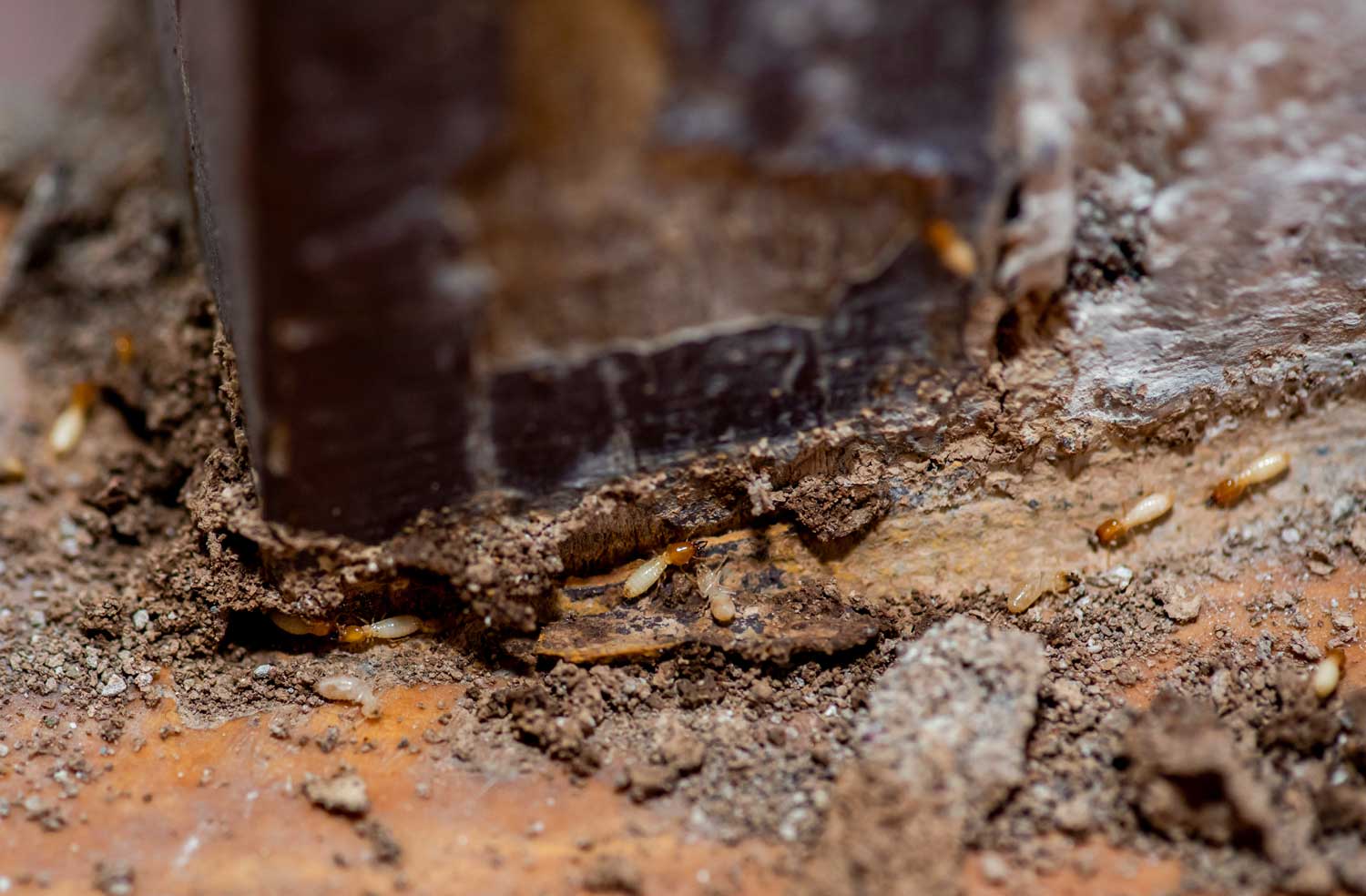
A building and pest report is a comprehensive inspection carried out by qualified professionals. The building report checks for structural or maintenance issues, while the pest report looks for evidence of termites and other timber pests. These inspections go far beyond what you will notice at an open home, giving you a true picture of the property’s condition before you commit.
Why Bother With Pest and Building Reports?
When purchasing property in the Hills NSW or elsewhere, a thorough inspection can protect you from nasty surprises. Termite activity is common across many parts of Sydney, including the Hills District. Structural issues, hidden leaks, and costly defects often only come to light when experts take a closer look. These reports help you make an informed decision and are a valuable tool if you need to negotiate repairs or price before settlement.
How Do They Support the Conveyancing Process?
Conveyancing in Hills District is not just about handling contracts. It is about making sure buyers are fully informed at every stage. Pest and building reports can reveal issues that may affect your legal rights, insurance, or even your willingness to proceed with the purchase. If major problems are uncovered, your conveyancer can help you navigate next steps, whether that is renegotiating, asking for repairs, or walking away before you commit.
When Should You Arrange a Building and Pest Report?
Ideally, these reports should be organised before you sign the contract. Some vendors may offer recent reports, but it is always safest to obtain your own independent inspection. If you are purchasing at auction, timing is tighter, so arrange checks early.
Risks of Skipping the Reports
Skipping a pest and building report is a gamble. Without them, you could miss expensive problems that might show up only after you have moved in. You risk buying a property “as is,” with very limited options for recourse after settlement.
Your Local Conveyancing Experts in the Hills District
With a dedicated office in the Hills District, our experienced conveyancers are on hand to support buyers and sellers throughout the area. We understand the local market, common property issues, and how to guide you through every step of purchasing property in the Hills NSW, including recommending trusted inspectors for pest and building reports.
Frequently Asked Questions
What does a building and pest report cover?
Two inspections, both carried out by qualified professionals. The building report examines the property for structural and maintenance problems, while the pest report hunts for evidence of termites and other timber-destroying pests. Together they go considerably further than anything you could assess yourself at an open home, where fresh paint and good staging hide plenty. The result is an accurate picture of the property's real condition before you are committed to buying it. For most purchasers, first-timers and experienced investors alike, this is the single most useful piece of information gathered during due diligence.
Do I really need one?
In almost every case, yes. Termite activity is widespread across Sydney, the Hills District included, and structural issues, concealed leaks, and expensive defects tend to reveal themselves only when someone qualified goes looking. Beyond simply knowing what you are buying, the report gives you something to work with. Findings can be used to negotiate a price reduction or to have repairs carried out before settlement, which often recovers the cost of the inspection many times over. Going without means relying on what you can see, which is rarely the full story.
When should I organise the inspections?
Before you sign the contract, ideally. That timing gives you room to renegotiate, request repairs, or step away entirely if something serious turns up. Buying at auction compresses everything, since the sale is binding the moment the hammer falls, so arrange your inspections well in advance of the auction date. A vendor may offer you a recent report they have commissioned, and while that can be useful background, obtaining your own independent inspection is the safer course. You want an inspector reporting to you, not one engaged by the seller.
What happens if I skip them?
You are gambling on the property being sound. Problems missed before exchange become yours to discover and pay for once you have moved in, and by then your options for recourse are extremely limited. Buying without inspections effectively means accepting the property as is. Where a report does surface something major, your conveyancer can advise on the next move, whether that means renegotiating the price, pressing for repairs as a condition, or withdrawing before you are locked in. That advice only helps if the inspection happened in the first place.
In Summary
No matter where you are buying, building and pest reports are essential for peace of mind and a smooth transaction. If you are purchasing property in the Hills NSW, our team is ready to assist with inspections, contract reviews, and expert conveyancing in Hills District.


